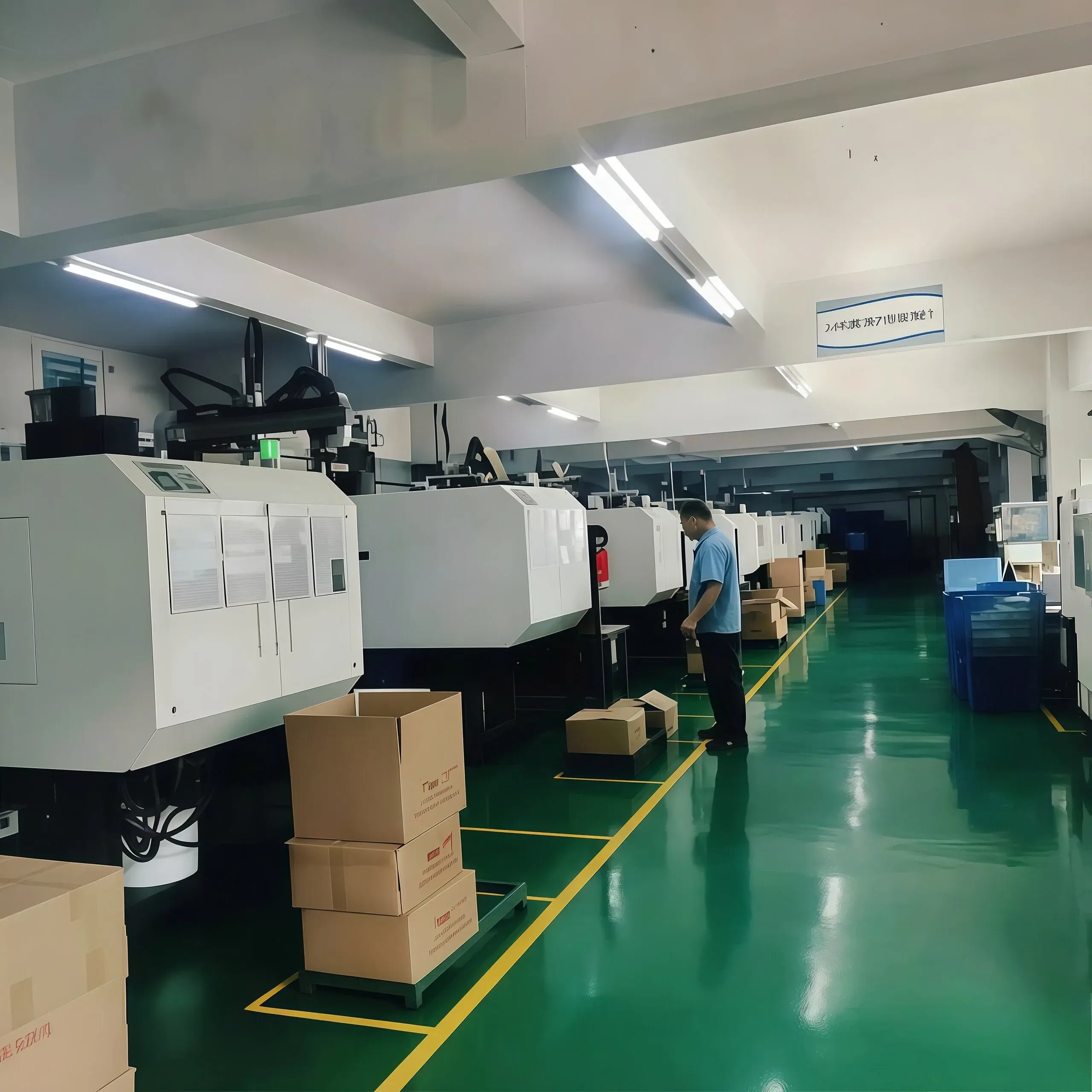
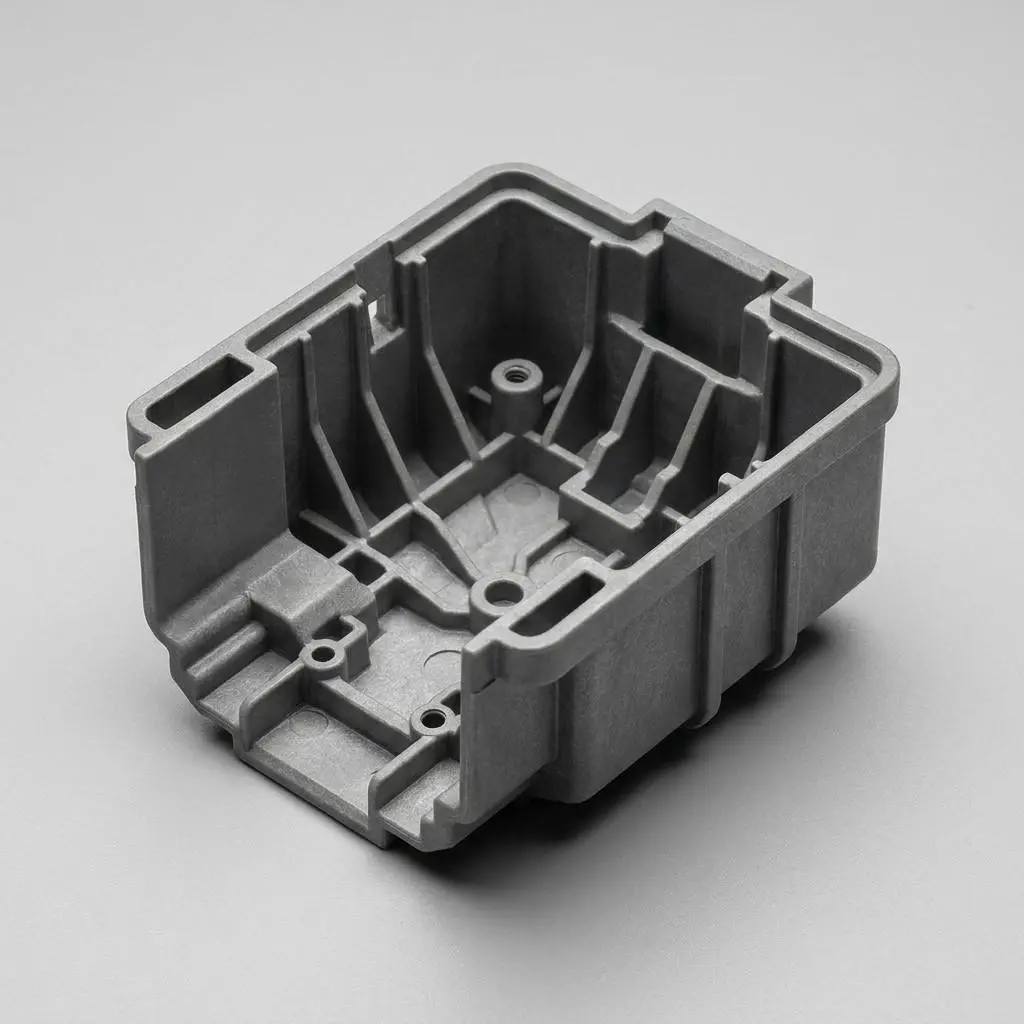
Insert molding — the process of encapsulating a metal or non-plastic insert within an injection molded plastic part — enables permanent, high-strength mechanical joints without secondary assembly operations. When designed correctly, insert-molded joints can achieve pull-out strengths of 500–1200N while maintaining tight dimensional tolerances on mating plastic features. Done incorrectly, they cause sink marks, cracking, and insert disengagement in the field.
Insert Types & Design Rules
Brass threaded inserts (knurled external, standard thread internal): most common for M2–M8 fastening. Aluminum: used where weight saving is needed and pull-out force requirements are lower. Steel pins/shafts: for precision locating features. Key design rules: minimum plastic wall around insert = 0.75× insert outer diameter; insert must extend at least 0.5mm below intended load direction; avoid blind holes where air trapping can prevent full plastic encapsulation.
Pull-Out Strength Factors
Insert pull-out strength depends on: knurl depth and pitch (deeper knurls = higher pull-out); interface area (longer insert = more area); plastic material stiffness (PA66-GF30 outperforms ABS); insert surface treatment (zinc-plated brass achieves better bonding than bare brass); molding temperature (higher melt temp = better flow around knurls). Blue Diamond tests 3 samples per cavity at T1 to baseline pull-out strength.
Knurling vs Thread-Set Inserts
Straight knurl (MBS standard): simplest, adequate for axial pull-out loads. Diamond knurl (cross-hatch): resists both axial and torque pull-out — preferred for bolted assemblies. Hex-head insert (ultrasonic heat-stake): post-mold insertion via ultrasonic or thermal press — suitable for design changes without mold modification. Blue Diamond standard: brass knurled inserts molded in-situ for highest pull-out strength.
Overmolding vs Insert Molding
Insert molding: metal (or pre-made plastic) insert placed in mold before injection — highest structural integrity, precise insert location, suitable for high-volume. Overmolding (2-shot molding): substrate shot + overmold shot in same machine — ideal for soft-touch surfaces on rigid substrates; no separate insert loading; higher machine cost. For structural metal-plastic joints, insert molding is always preferred.