Engineering Insights and Polymer Technical Guides

Blog & Engineering Insights

Material guides, process insights and practical manufacturing knowledge for industrial OEM buyers.

What Is TPU? A Technical Guide for OEM Engineers
Technical Library

What Is TPU? A Technical Guide for OEM Engineers

Thermoplastic Polyurethane (TPU) occupies a unique position in polymer engineering — it bridges the gap between rubber and rigid plastic. Unlike thermoset rubbers (which require vulcanization), TPU is melt-processable via injection molding, extrusion, and blow molding. This makes it highly suited for complex geometries requiring rubber-like flexibility, abrasion resistance, and transparency.

2026-06-26 6 min read
Read More →
What Is Silicone Rubber?
Technical Library

What Is Silicone Rubber?

Silicone rubber (VMQ / Q) is a synthetic elastomer derived from polydimethylsiloxane (PDMS) — a polymer backbone of alternating silicon and oxygen atoms. Unlike petroleum-based rubbers, silicone maintains its physical properties across an extreme temperature range from -60°C to +200°C, making it indispensable for applications where standard elastomers would fail.

2026-06-26 6 min read
Read More →
From CAD to Production Tooling: Blue Diamond's Mold Development Process
Technical Library

From CAD to Production Tooling: Blue Diamond's Mold Development Process

Tooling is the highest-risk investment in any OEM manufacturing program. A mold revision can cost $3,000–$30,000 and add 3–8 weeks to a launch. Blue Diamond's 5-stage tooling development process is designed to eliminate surprises — identifying part design issues, material risks, and process parameters digitally before a single cavity is cut.

2026-06-26 6 min read
Read More →
Rubber Vulcanization: Methods, Chemistry, and Quality Control
Technical Library

Rubber Vulcanization: Methods, Chemistry, and Quality Control

Vulcanization — the formation of crosslinks between polymer chains — is the most critical processing step in rubber manufacturing. The crosslink density, distribution, and chemistry determine the final mechanical properties, compression set resistance, and regulatory compliance of every rubber component. Blue Diamond engineers select and verify cure systems for every new compound.

2026-06-26 6 min read
Read More →
PU Foam vs EVA Foam: Material Selection for OEM Applications
Technical Library

PU Foam vs EVA Foam: Material Selection for OEM Applications

OEM engineers selecting foam materials for protective equipment, cushioning systems, and ergonomic components face a common choice: PU foam or EVA foam. Both offer impact absorption — but they differ significantly in density range, temperature performance, recyclability, and manufacturing scalability. This guide gives you the engineering basis to choose correctly.

2026-06-26 6 min read
Read More →
Understanding FDA & USP Class VI Compliance for Medical-Grade Silicone
Technical Library

Understanding FDA & USP Class VI Compliance for Medical-Grade Silicone

Medical device OEMs face increasing scrutiny over material compliance — and justifiably so. Silicone components used in patient contact, drug delivery, or fluid handling carry regulatory obligations that can halt product launches if not addressed early. This guide explains the key standards and how Blue Diamond's platinum-cured LSR platform meets them.

2026-06-26 6 min read
Read More →
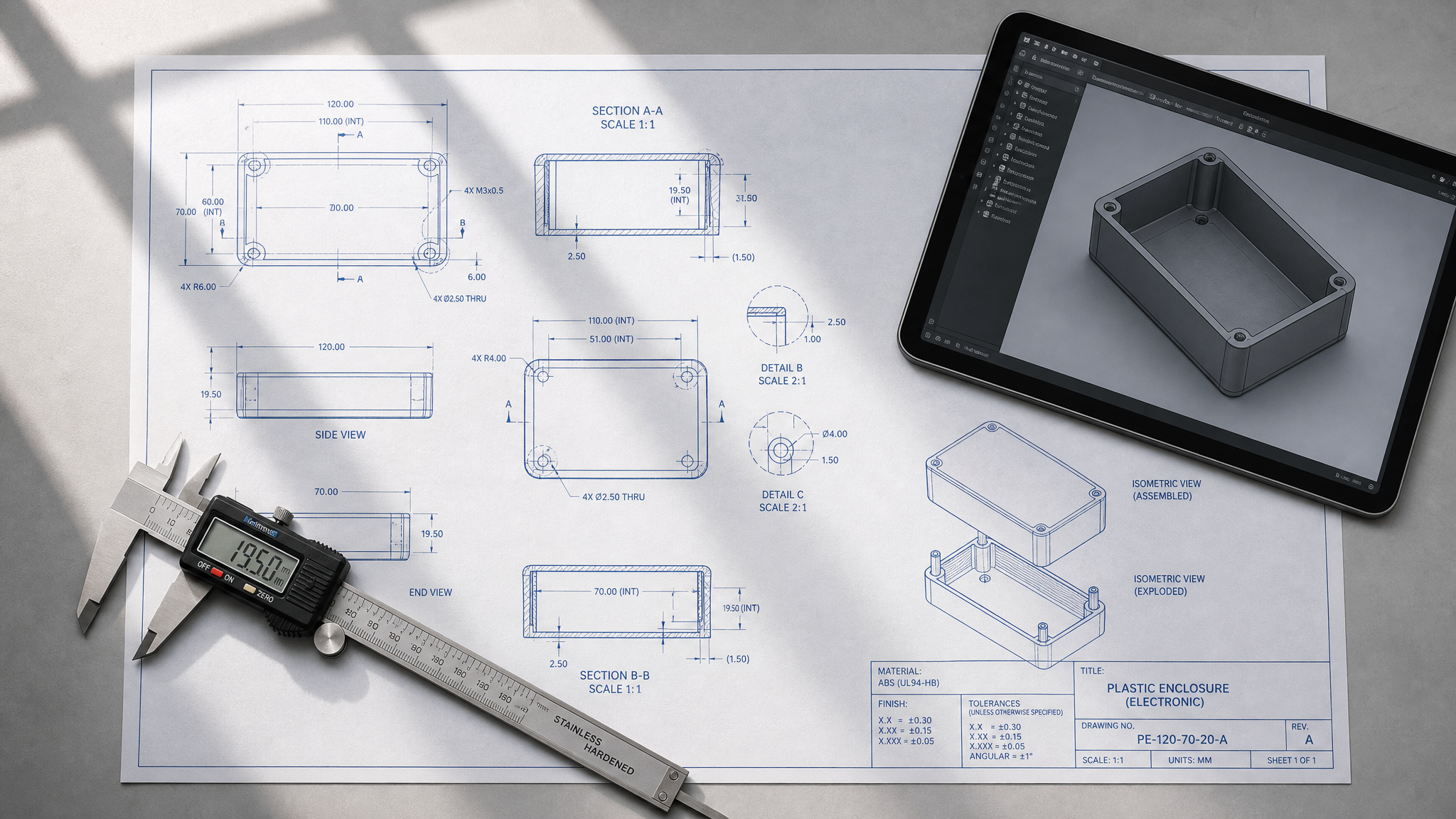
Insert Molding Explained: Design Guidelines and Tolerance Requirements
Technical Library

Insert Molding Explained: Design Guidelines and Tolerance Requirements

Insert molding — the process of encapsulating a metal or non-plastic insert within an injection molded plastic part — enables permanent, high-strength mechanical joints without secondary assembly operations. When designed correctly, insert-molded joints can achieve pull-out strengths of 500–1200N while maintaining tight dimensional tolerances on mating plastic features. Done incorrectly, they cause sink marks, cracking, and insert disengagement in the field.

2026-06-26 6 min read
Read More →
EPDM vs NBR Rubber: Which Is Right for Your Application?
Technical Library

EPDM vs NBR Rubber: Which Is Right for Your Application?

Selecting between EPDM (Ethylene Propylene Diene Monomer) and NBR (Nitrile Butadiene Rubber) is one of the most common material decisions facing OEM engineers. Both are widely used elastomers — but they perform almost opposite roles. Getting this wrong results in premature seal failure, leaks, and costly production shutdowns.

2026-06-26 6 min read
Read More →
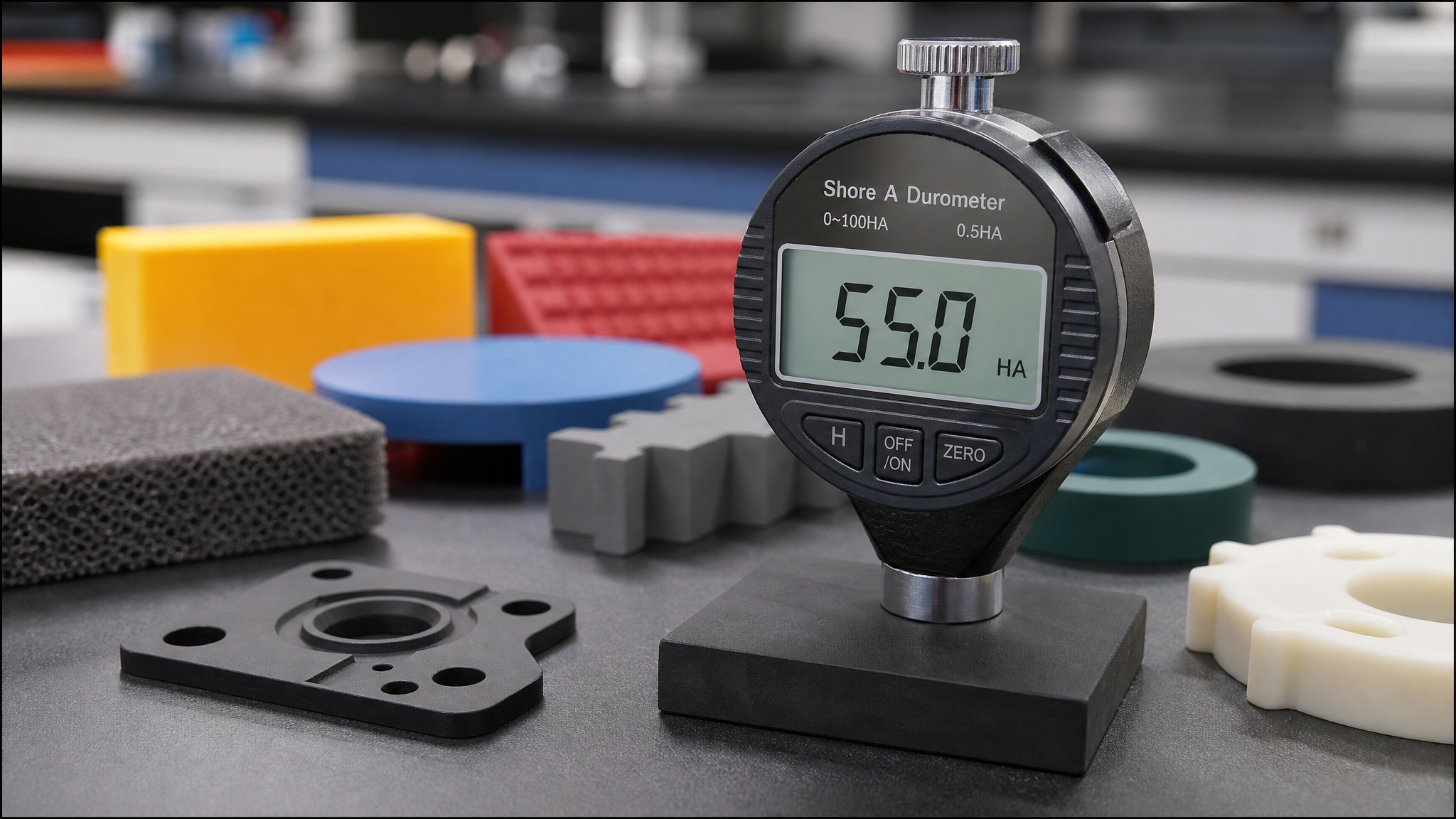
A Step-by-Step Guide to Measuring Shore Hardness for Custom Elastomers
Technical Library

A Step-by-Step Guide to Measuring Shore Hardness for Custom Elastomers

Shore hardness is the single most specified property in rubber and elastomer engineering — yet it is also one of the most commonly mis-measured. Incorrect hardness data leads to wrong compound selection, sealing failures, and assembly interference issues. This step-by-step guide explains how to measure Shore hardness correctly and what the values mean for your application.

2026-06-26 6 min read
Read More →